UX Basics: 5 Core Principles Every Beginner Should Know
A quick primer on what UX is, why it matters, and five fundamentals you can apply today.

What Is UX (User Experience)?
UX stands for User Experience — it’s about how people feel when they interact with a website, app, or product. Good UX makes things easy, intuitive, and enjoyable.
Why UX Matters
• Increases user trust • Boosts engagement and sales • Reduces bounce rate • Saves time and money on redesigns
5 Core UX Principles for Beginners
1. Clarity Over Cleverness – If users must guess, it fails. 2. Hierarchy Matters – Use layout, color, and size to guide attention. 3. Consistency – Uniform buttons, colors, nav patterns build confidence. 4. Feedback Is Key – Loading spinners, confirmations, errors all matter. 5. Mobile First – Design for small screens; >60% of traffic is mobile.
Micro-Tip: Use Real Text, Not Lorem Ipsum
Meaningful text exposes UX issues earlier and orients design around actual content needs.
Bonus Tools You Can Use
• Figma – For wireframing and UI design • Google Forms – For quick user testing • Hotjar – For heatmaps and click tracking • Web.dev – For usability and performance checks
What this note covers
- What Is UX (User Experience)?
- Why UX Matters
- 5 Core UX Principles for Beginners
- Micro-Tip: Use Real Text, Not Lorem Ipsum
Related technical notes
Related stories
Curated reads to continue the thread.

Beyond the Black Box: Implementing KNN for Feature Similarity from Scratch
A practical walkthrough of K-Nearest Neighbors built from scratch in Python, showing how feature similarity is calculated in multi-dimensional space.
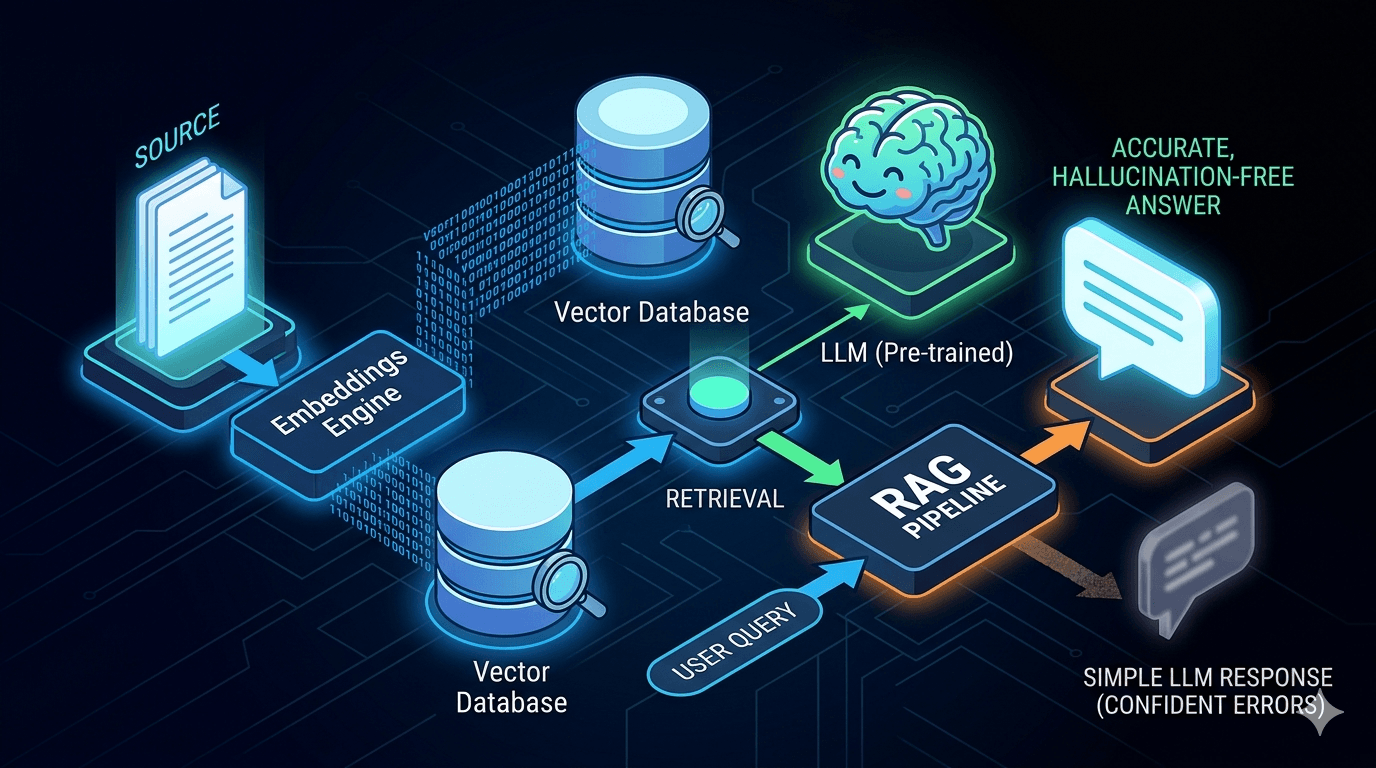
Reducing LLM Hallucinations: Building a RAG-lite Pipeline for Technical Documentation
A practical breakdown of how to reduce LLM hallucinations with a lightweight RAG pipeline using embeddings, FAISS, and top-k retrieval for technical documentation.
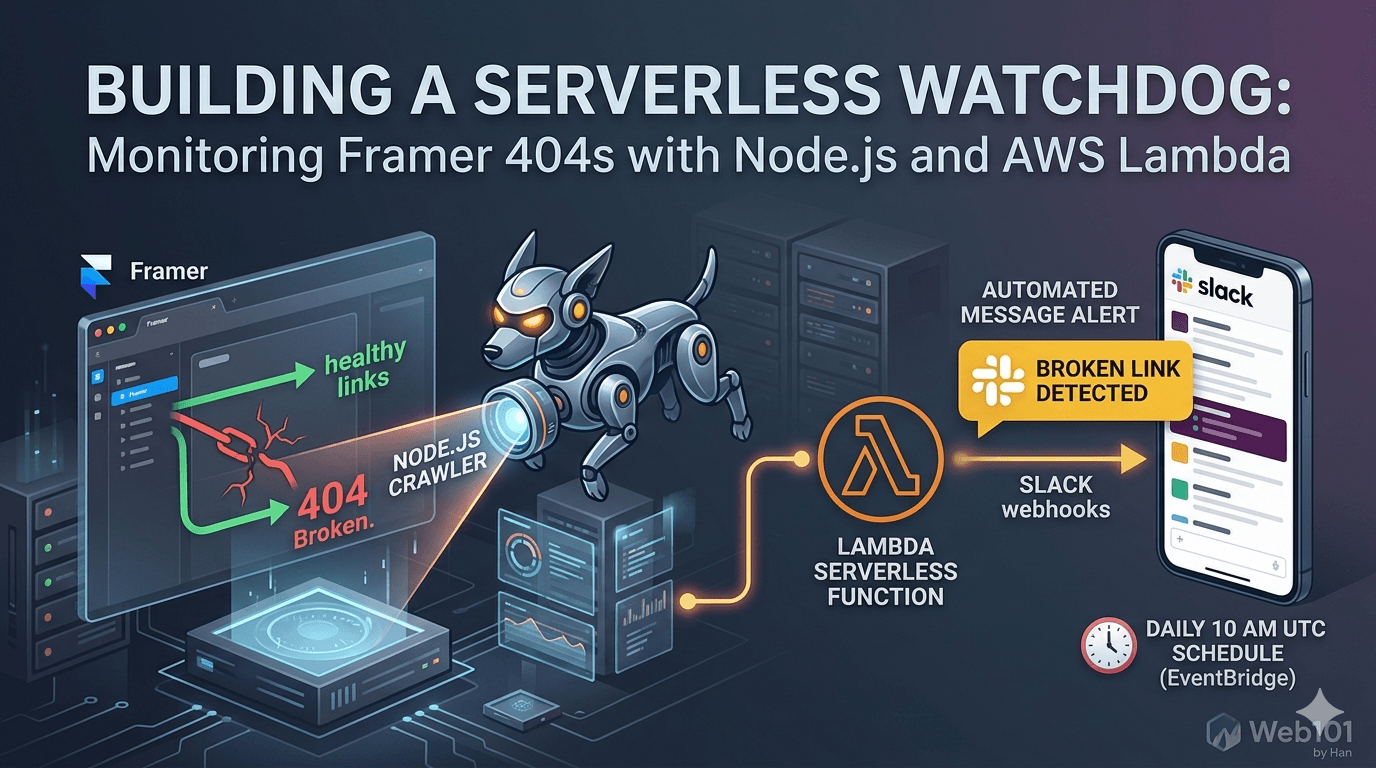
Building a Serverless Watchdog: Monitoring Framer 404s with Node.js and AWS Lambda
A deep dive into building a custom automated monitoring system for Framer sites. Learn how to deploy a Node.js crawler on AWS Lambda to detect and alert broken links via Slack webhooks.

Web101 by Han Is Expanding: From Web Development to Deeper Technical Systems
Web101 by Han is evolving beyond web development. This update explains what’s changing, why the scope is expanding into AI, machine learning, algorithms, and technical analysis, and what readers can expect going forward.
AI Website Builders in 2025: Future Trends and Practical Guide
AI is reshaping how websites are built. In 2025, builders powered by artificial intelligence handle design, SEO, and content generation faster than ever. Here’s what to know before you adopt them.
Why Managed WordPress Hosting Beats Shared Hosting in 2025
Shared hosting looks cheap, but managed WordPress hosting saves you time, stress, and money in the long run. Here’s a practical, testable guide to decide with confidence in 2025.
Best Web Hosting for Small Sites (2025): Speed, Support, Price
If you’re launching a lightweight site or portfolio, here’s how to pick a host that’s fast, reliable, and won’t wreck your budget.
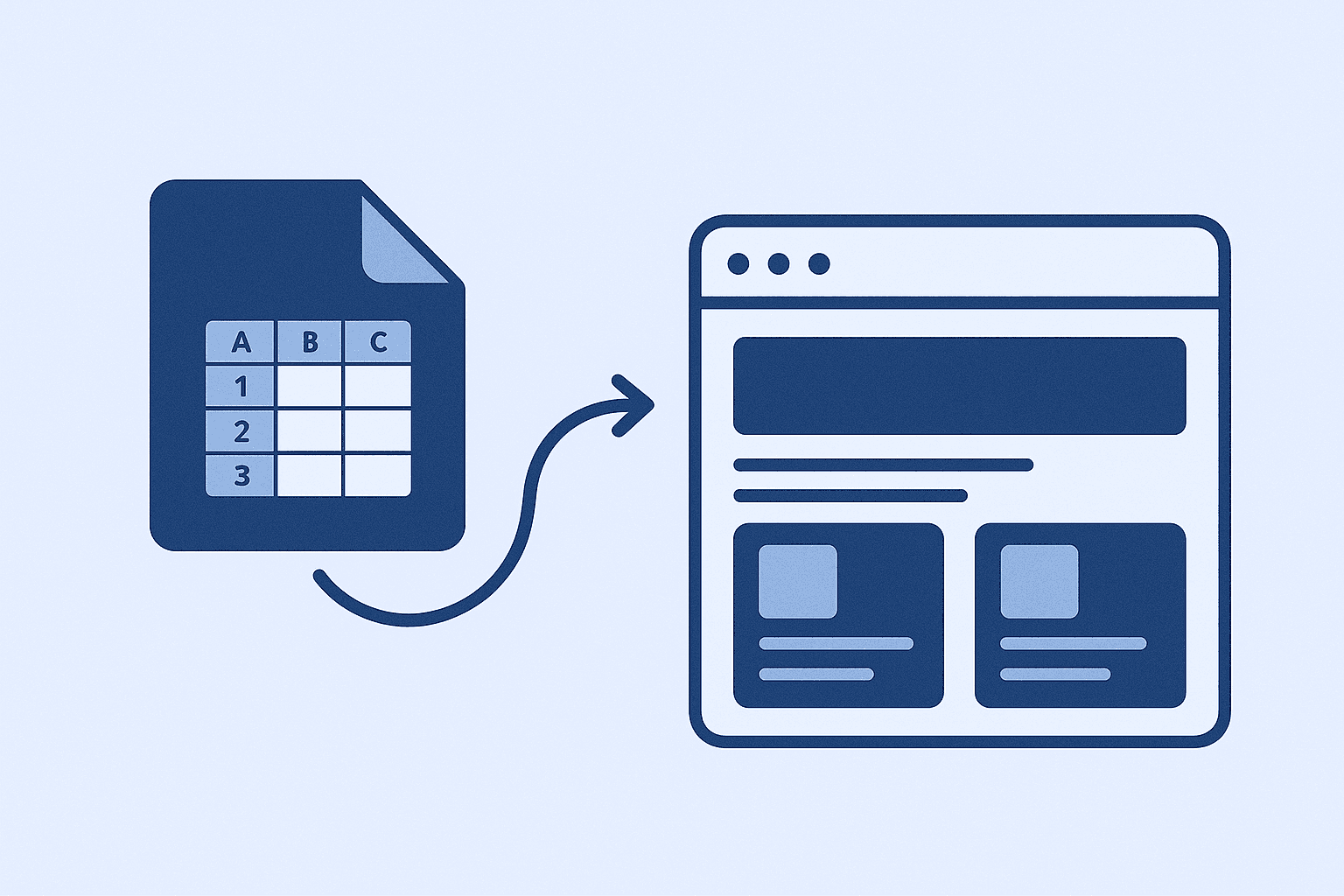
How I Use Google Sheet as a Lightweight CMS
No CMS, no backend, just Google Sheets. Here’s how I let clients update their site content without touching code.