Framer, Webflow, Wix or WordPress: Which Platform Fits Your Needs?
Not all no-code platforms are built the same. This guide compares Framer, Webflow, Wix, and WordPress with pros/cons by use case—so you can pick without guessing.
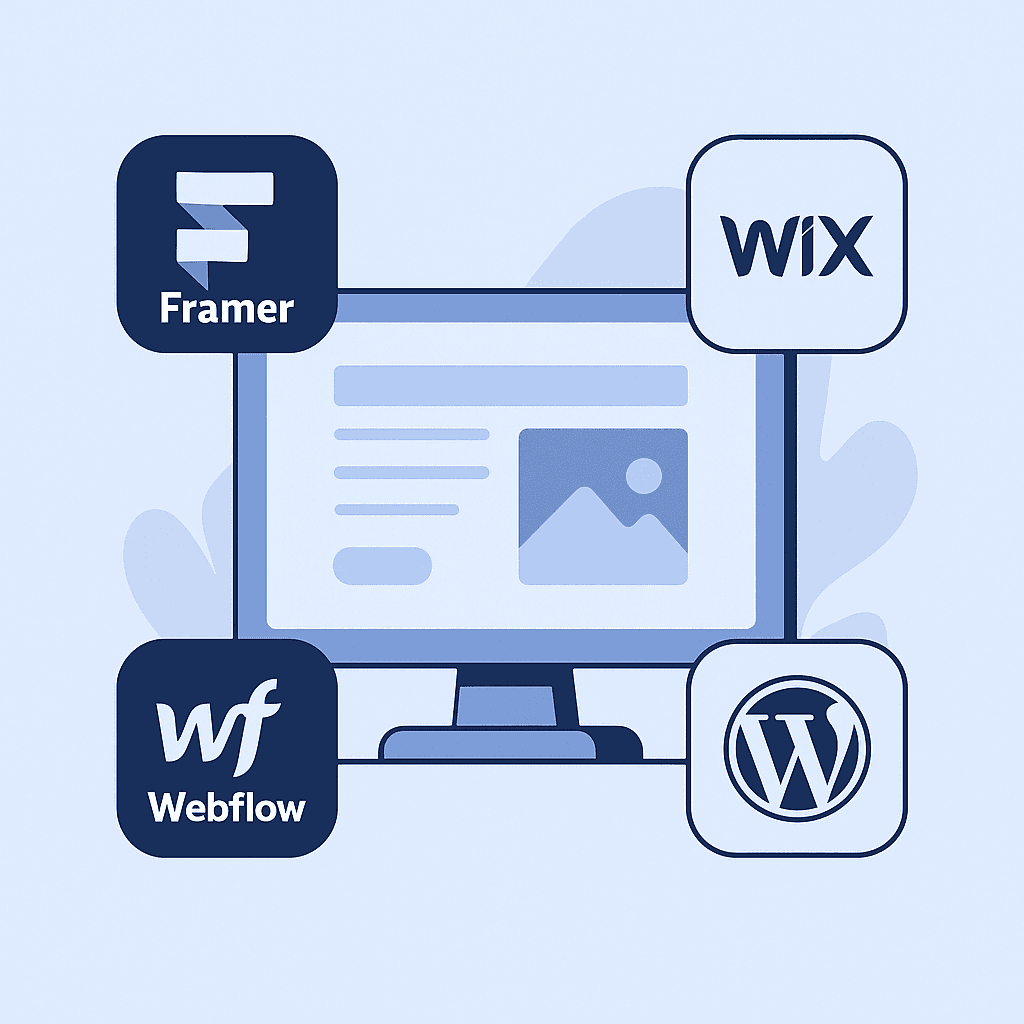
Why This Matters
Most people waste weeks jumping between platforms. But the right tool depends on one thing: what you actually need. Here's how I break it down.
Framer — For Designers & Fast Landing Pages
Pros: Beautiful animations, responsive by default, great for clean single-page sites. Cons: Weak CMS, not ideal for multi-page sites with logic or scaling needs.
Webflow — For Visual Developers & Complex Layouts
Pros: Highly customizable, supports CMS, logic, animations, and structure. Cons: Steep learning curve. Can be overkill for basic needs.
Wix — For Non-Tech Beginners Who Want Speed
Pros: Drag and drop simplicity, all-in-one hosting, fast to publish. Cons: Limited design flexibility, not ideal for scaling or custom dev.
WordPress — For Blog & Content-Heavy Sites
Pros: Open-source, deeply customizable, huge plugin ecosystem. Cons: Needs hosting setup, more vulnerable to plugin bloat and maintenance issues.
TL;DR: Pick Based on Skill & Goals
- Framer: Design-first, fast-launch landing pages - Webflow: Visual dev with full control - Wix: Beginners who want done-for-you speed - WordPress: Writers, bloggers, or long-term content managers
What this note covers
- Why This Matters
- Framer — For Designers & Fast Landing Pages
- Webflow — For Visual Developers & Complex Layouts
- Wix — For Non-Tech Beginners Who Want Speed
Related technical notes
Related stories
Curated reads to continue the thread.

Beyond the Black Box: Implementing KNN for Feature Similarity from Scratch
A practical walkthrough of K-Nearest Neighbors built from scratch in Python, showing how feature similarity is calculated in multi-dimensional space.
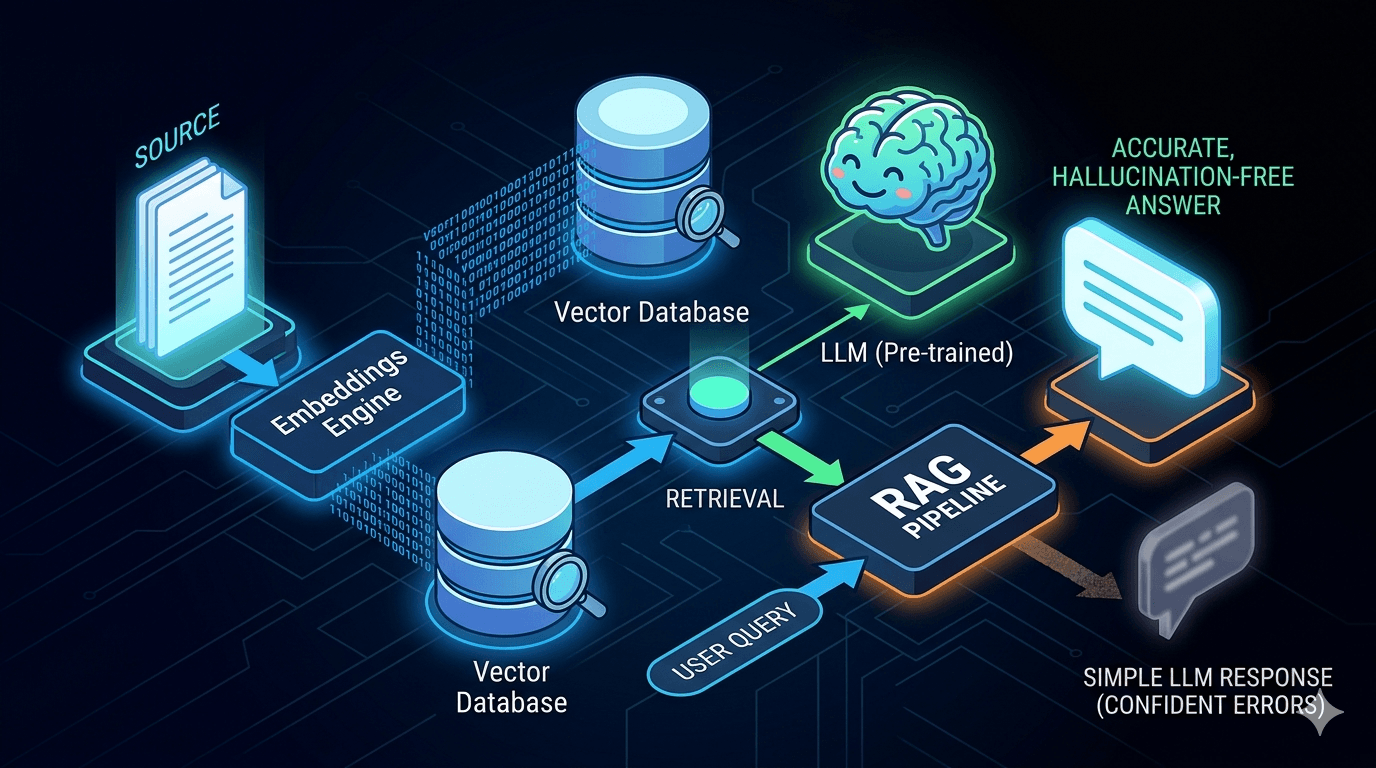
Reducing LLM Hallucinations: Building a RAG-lite Pipeline for Technical Documentation
A practical breakdown of how to reduce LLM hallucinations with a lightweight RAG pipeline using embeddings, FAISS, and top-k retrieval for technical documentation.
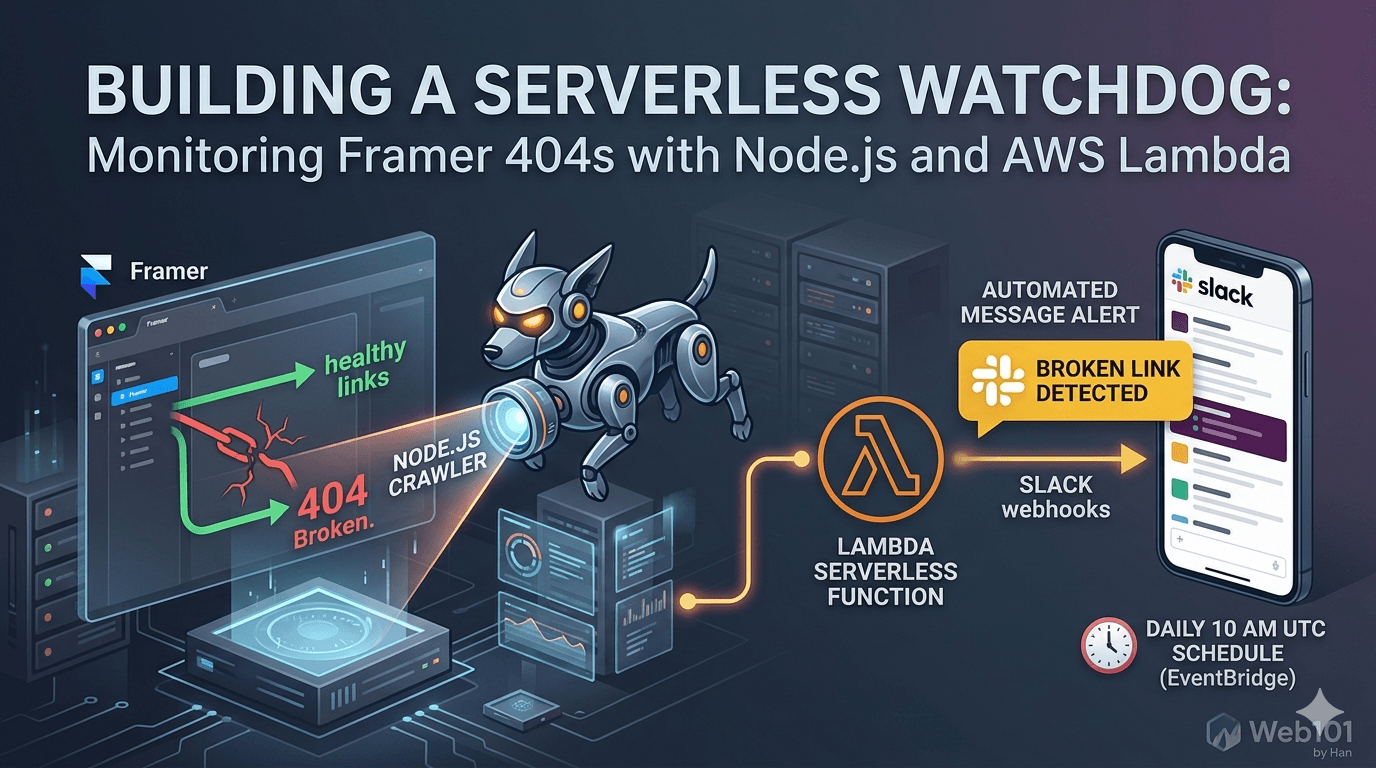
Building a Serverless Watchdog: Monitoring Framer 404s with Node.js and AWS Lambda
A deep dive into building a custom automated monitoring system for Framer sites. Learn how to deploy a Node.js crawler on AWS Lambda to detect and alert broken links via Slack webhooks.

Web101 by Han Is Expanding: From Web Development to Deeper Technical Systems
Web101 by Han is evolving beyond web development. This update explains what’s changing, why the scope is expanding into AI, machine learning, algorithms, and technical analysis, and what readers can expect going forward.
AI Website Builders in 2025: Future Trends and Practical Guide
AI is reshaping how websites are built. In 2025, builders powered by artificial intelligence handle design, SEO, and content generation faster than ever. Here’s what to know before you adopt them.
Why Managed WordPress Hosting Beats Shared Hosting in 2025
Shared hosting looks cheap, but managed WordPress hosting saves you time, stress, and money in the long run. Here’s a practical, testable guide to decide with confidence in 2025.
Best Web Hosting for Small Sites (2025): Speed, Support, Price
If you’re launching a lightweight site or portfolio, here’s how to pick a host that’s fast, reliable, and won’t wreck your budget.
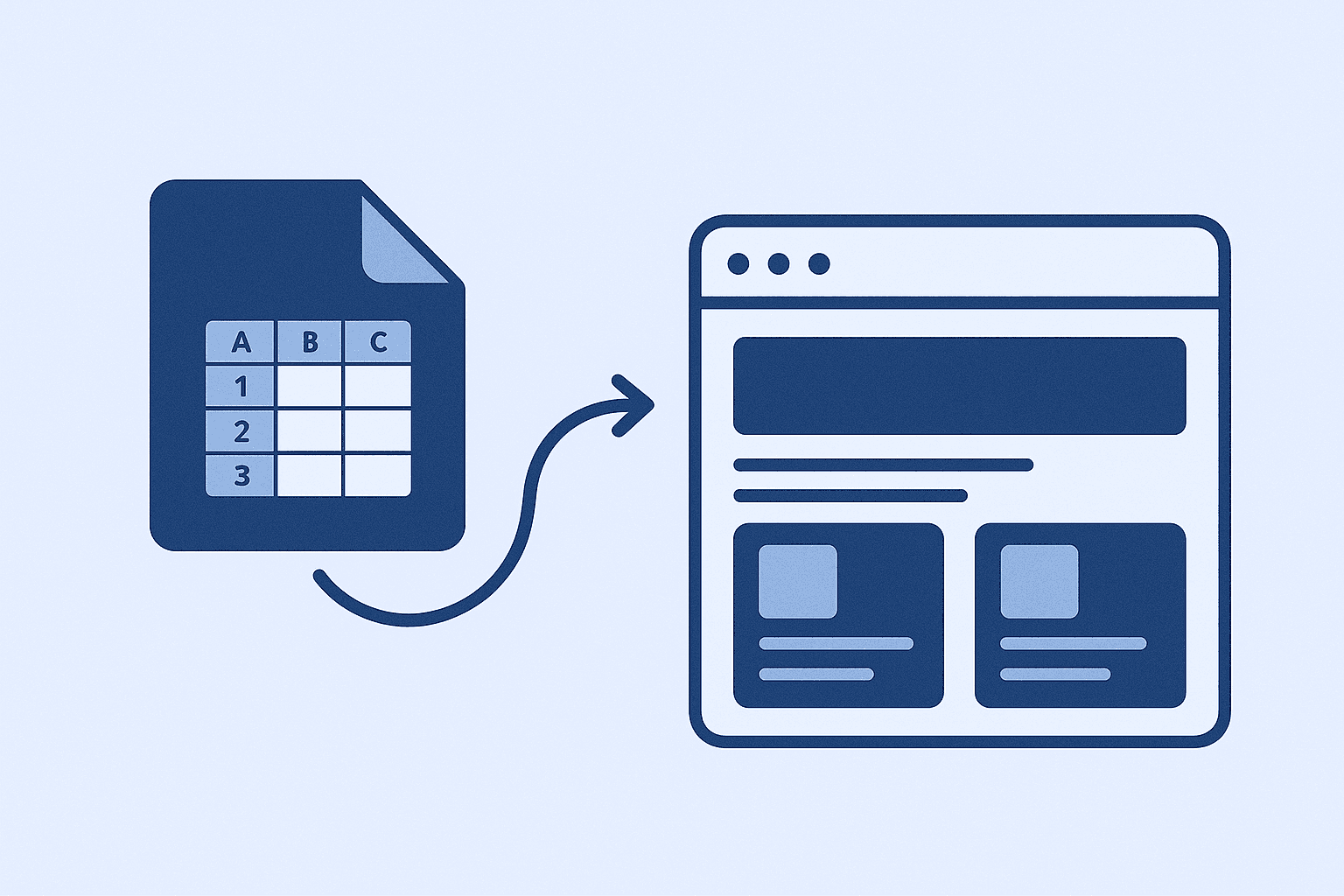
How I Use Google Sheet as a Lightweight CMS
No CMS, no backend, just Google Sheets. Here’s how I let clients update their site content without touching code.