Web101 by Han Is Expanding: From Web Development to Deeper Technical Systems
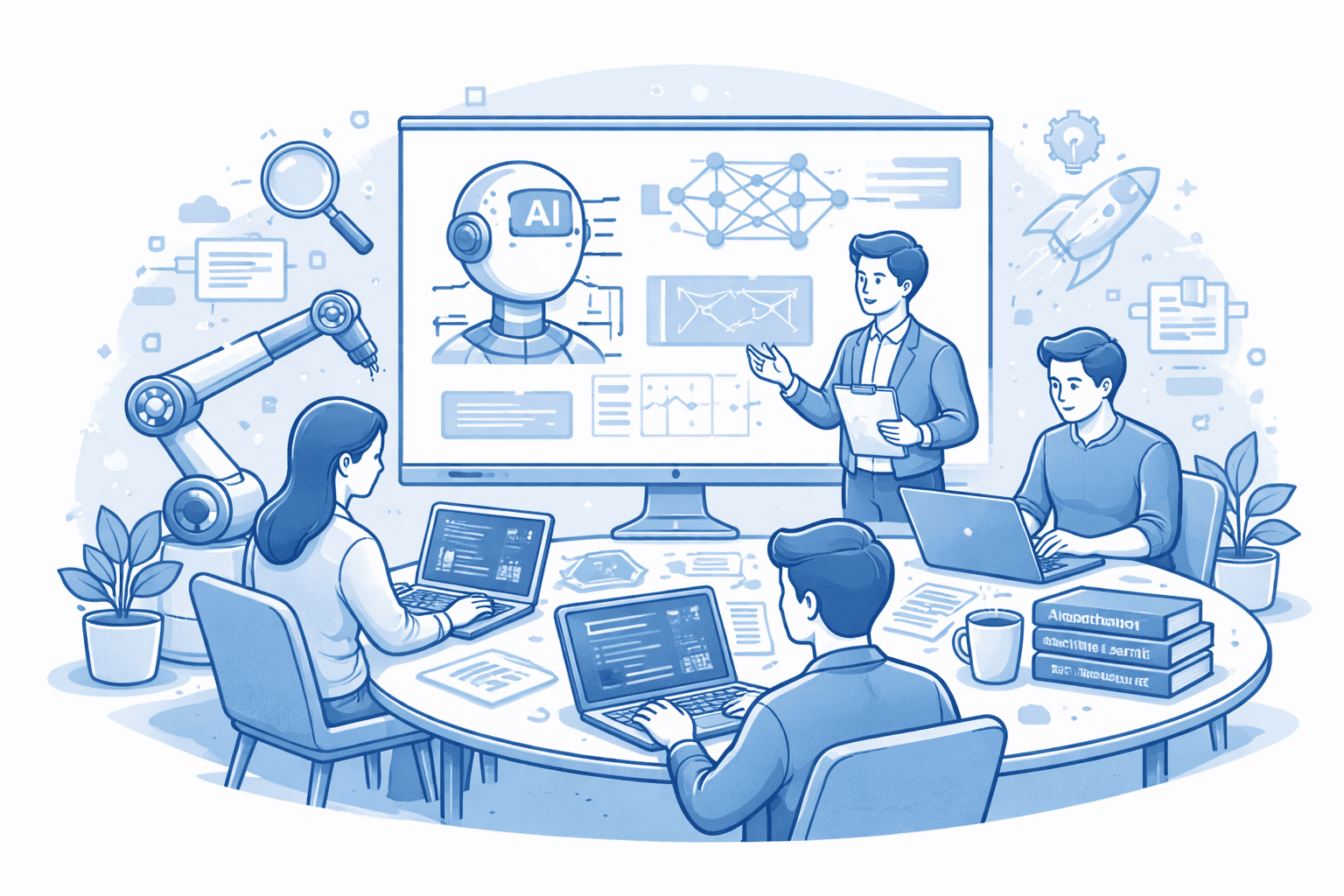
An official update announcing the expansion of Web101 by Han from a web development–focused blog into a broader technical platform covering AI tools, machine learning algorithms, paper summaries, LeetCode, and in-depth system explanations.
Introduction
Since its launch, Web101 by Han has focused primarily on web development fundamentals—covering frontend concepts, implementation details, and practical workflows. As the technical focus behind the blog has expanded, the content direction is evolving as well. This article explains what’s changing, why this shift is happening, and how Web101 by Han will move forward.
What’s Changing
Web101 by Han is expanding beyond web development. In addition to frontend and full-stack topics, the blog will now include artificial intelligence, machine learning, algorithms, LeetCode problem analysis, and deeper system-level explanations. The goal is to reflect a broader and more realistic technical landscape.
Why This Shift Is Happening
Over time, the work behind this blog has moved toward understanding how systems actually work—how algorithms behave, how models make decisions, and how technical components interact. Restricting the site to web development no longer reflected that direction. Expanding the scope allows the content to stay aligned with real technical exploration and problem-solving.
New AI-Focused Content
A major part of this expansion is AI-related content. Web101 by Han will begin sharing: - Practical AI tools and platforms, including how and when to use them - Core machine learning algorithms, explained from first principles - Clear breakdowns of model behavior, limitations, and trade-offs The focus is not on hype or tool promotion, but on understanding how these systems work and when they make sense to use.
AI Paper Summaries and Technical Reading Notes
In addition to tools and algorithms, the blog will include summaries of selected AI and machine learning papers. These articles will focus on: - The core idea of each paper - Why the problem matters - How the proposed method works at a high level - Key assumptions and limitations The goal is to make technical papers more approachable without oversimplifying them.
Algorithms and Problem-Solving
Algorithms and data structures will become a recurring theme. This includes LeetCode-style problems, but with an emphasis on reasoning rather than memorization. Articles will focus on how to think about problems, choose strategies, and understand trade-offs, instead of presenting optimized answers without explanation.
What Stays the Same
While the scope is expanding, the core principles of Web101 by Han remain unchanged. The blog will continue to prioritize clarity over hype, depth over shortcuts, and explanation over surface-level tutorials. Every topic—whether web development or AI—will be approached with the same structured mindset.
What Readers Can Expect
Readers can expect more concept-driven articles, deeper technical reasoning, and clearer explanations of complex systems. Content may shift toward fewer beginner walkthroughs and more long-term learning material aimed at building real understanding.
How the Transition Will Happen
This expansion will happen gradually. Existing content will remain available, and new AI- and algorithm-focused articles will be added alongside it. The structure of the site will evolve naturally as new topics are introduced.
Conclusion
This update marks the next phase of Web101 by Han. By expanding into AI tools, algorithms, and paper analysis, the blog aims to better reflect real technical work and deeper systems thinking—while staying grounded in clarity, precision, and practical understanding.
Related stories
Curated reads to continue the thread.
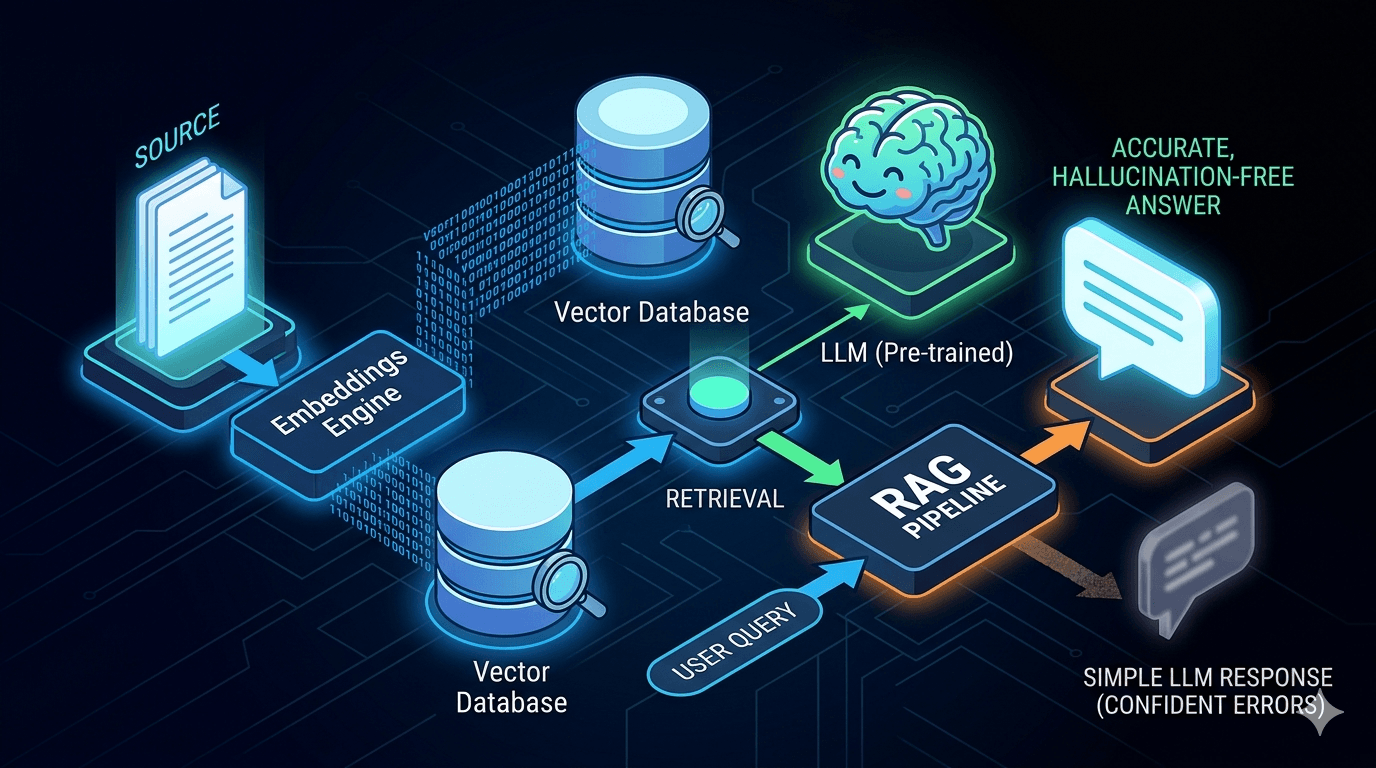
Reducing LLM Hallucinations: Building a RAG-lite Pipeline for Technical Documentation
A practical breakdown of how to reduce LLM hallucinations with a lightweight RAG pipeline using embeddings, FAISS, and top-k retrieval for technical documentation.
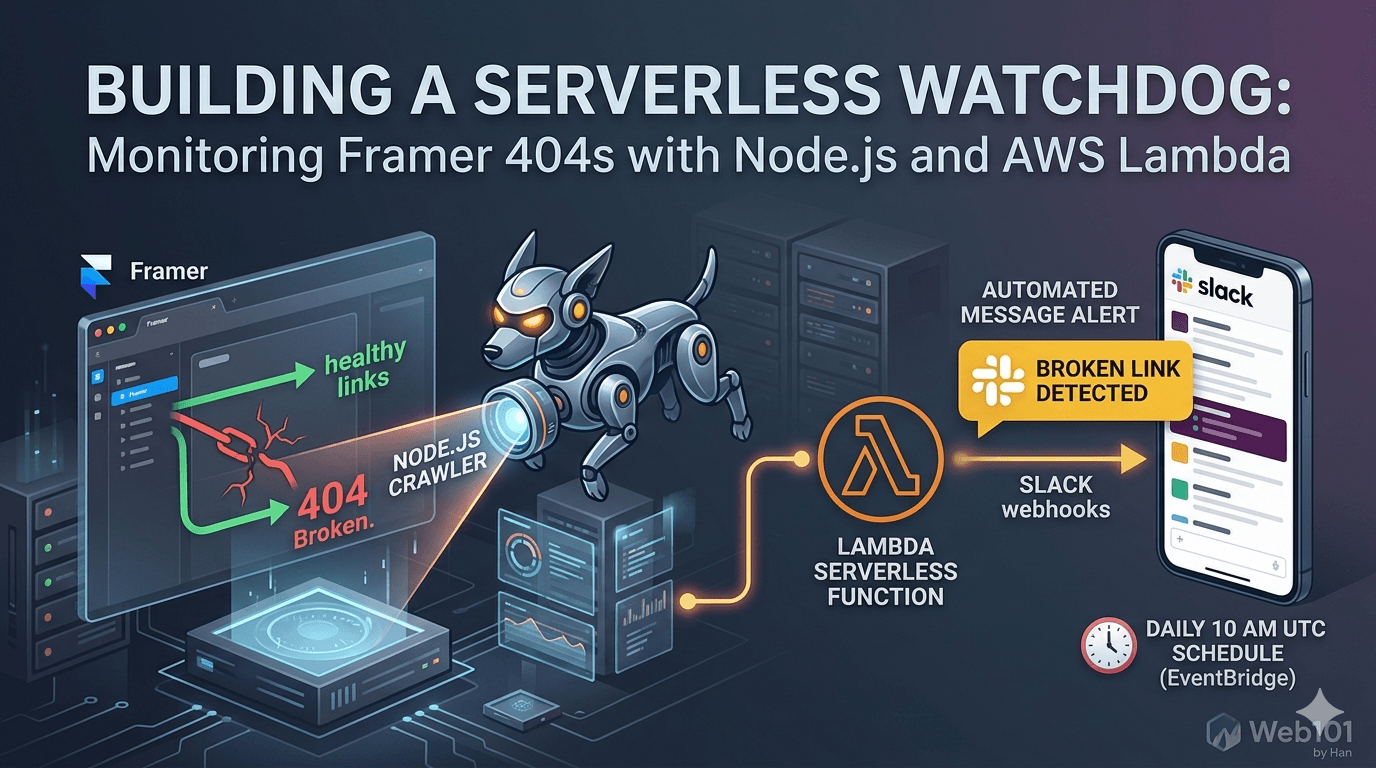
Building a Serverless Watchdog: Monitoring Framer 404s with Node.js and AWS Lambda
A deep dive into building a custom automated monitoring system for Framer sites. Learn how to deploy a Node.js crawler on AWS Lambda to detect and alert broken links via Slack webhooks.
Google AdSense Approval in 2025: Why the Process Feels Broken (and What Publishers Can Do)
Waiting weeks for AdSense approval, only to get rejected without clear reasons? Here’s a deep dive into why the process feels broken in 2025, what common mistakes to avoid, and how publishers can survive repeated rejections.
AI Website Builders in 2025: Future Trends and Practical Guide
AI is reshaping how websites are built. In 2025, builders powered by artificial intelligence handle design, SEO, and content generation faster than ever. Here’s what to know before you adopt them.
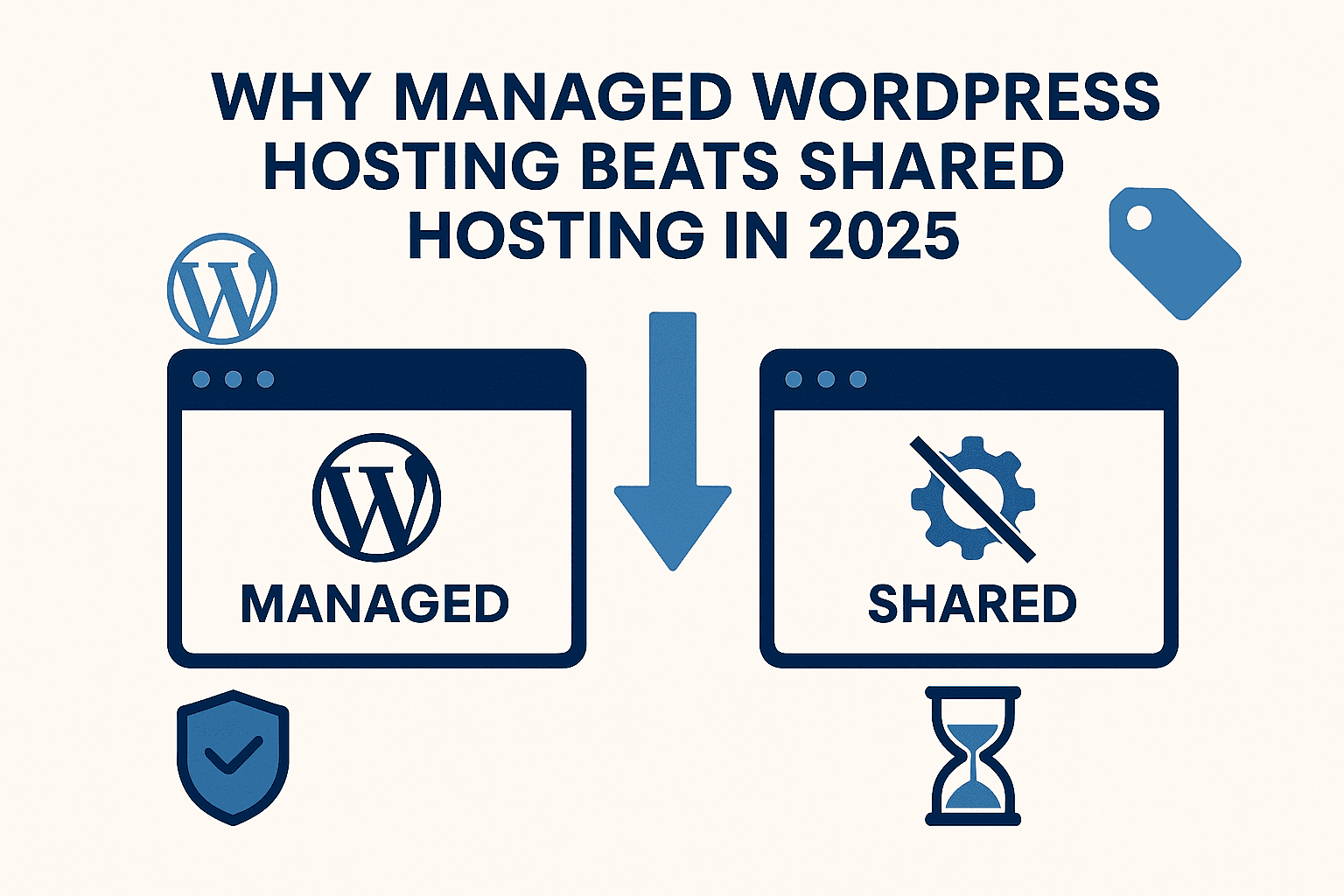
Why Managed WordPress Hosting Beats Shared Hosting in 2025
Shared hosting looks cheap, but managed WordPress hosting saves you time, stress, and money in the long run. Here’s a practical, testable guide to decide with confidence in 2025.
Best Web Hosting for Small Sites (2025): Speed, Support, Price
If you’re launching a lightweight site or portfolio, here’s how to pick a host that’s fast, reliable, and won’t wreck your budget.
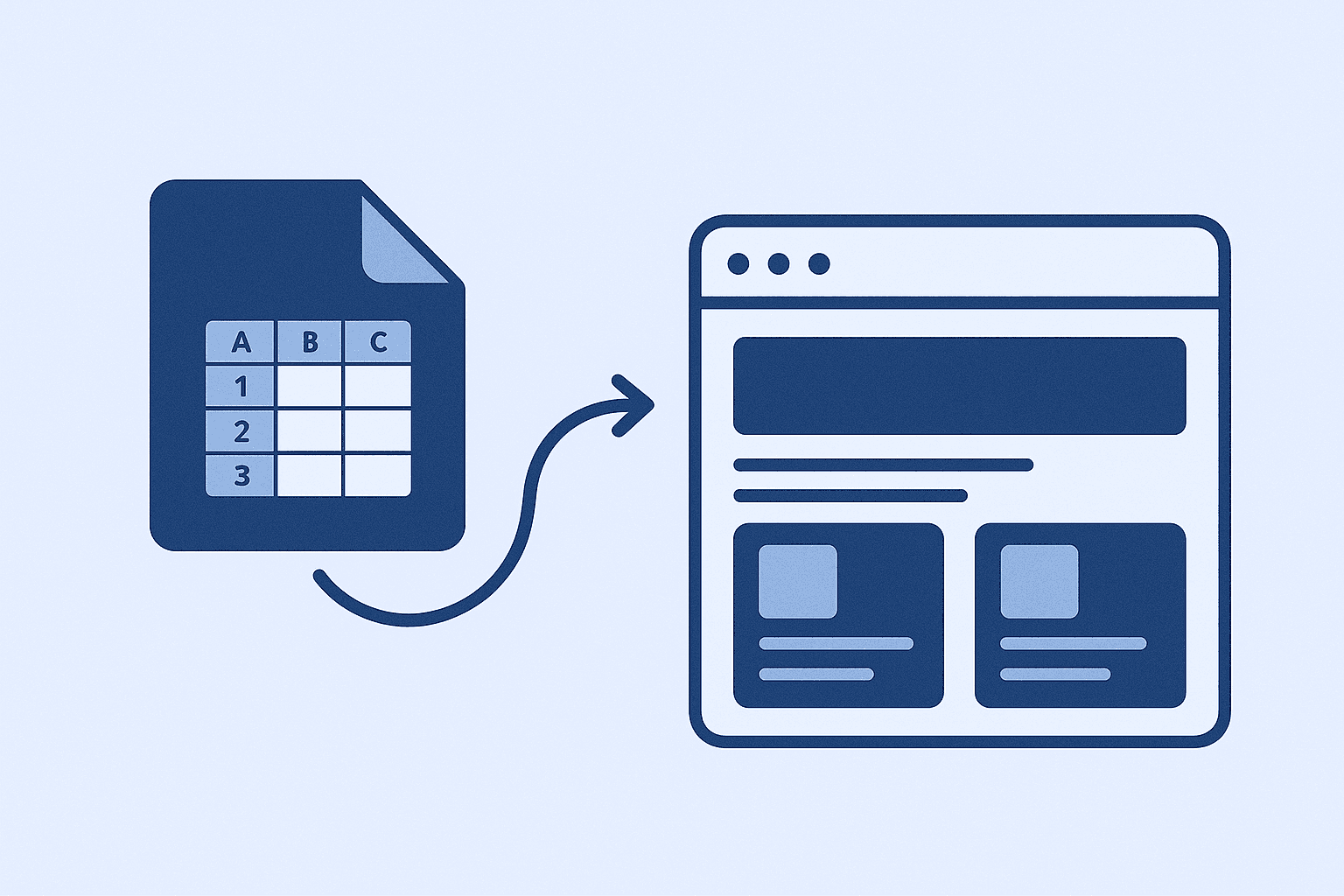
How I Use Google Sheet as a Lightweight CMS
No CMS, no backend, just Google Sheets. Here’s how I let clients update their site content without touching code.
How I Deploy Client Sites Fast (Without Burning Budget)
Speed, stability, and cost-efficiency. Here's my real-world setup for shipping client websites—no fluff, just battle-tested decisions.